The Art of Traditional Indian Curries: What Makes Them So Special
There is a quiet magic in a bowl of proper traditional Indian curry that no amount of shortcuts or ready-made pastes can replicate. I have spent years eating and cooking these dishes, from the coastal kitchens of Kerala to the dhabas of Punjab, and I can tell you that the difference between a memorable curry and a forgettable one is rarely about the spice list. It is about patience, technique, and understanding how flavours build in layers.
The first thing to know about traditional Indian curries is that they are not a single dish. The word "curry" itself is a colonial catch-all for a vast family of gravies, stews, and dry preparations that vary wildly by region, religion, and season. In Bengal, a curry might be built around mustard oil and panch phoron. In Gujarat, it could be sweet, sour, and hot all at once. In the southern states, coconut milk and curry leaves dominate. What ties them together is a shared logic: a base of aromatics, a careful sequence of spice additions, and a long, gentle simmer that coaxes complexity from humble ingredients.
Building the Base
Every great curry starts with a foundation. In most home kitchens across India, that foundation begins with onions, garlic, ginger, and tomatoes, cooked down until they almost melt into each other. The onions are not just there for bulk. They provide natural sugars that caramelise and deepen as they cook. The ginger adds a subtle heat that sits behind the chillies. Tomatoes bring acidity, which balances the richness of ghee or oil. The key is to cook this base slowly, letting the water evaporate and the flavours concentrate. Rushing this step is the most common mistake I see in home cooks. You cannot hurry a good curry.
Oil or ghee is the medium that carries fat-soluble flavour compounds. When you fry the spice paste in hot fat, you are not just warming it up. You are releasing volatile oils that would otherwise remain locked in the spices. This is why many recipes insist on cooking the masala until it starts to separate from the oil. That glistening layer of fat on top is not a flaw. It is a sign that the curry has been cooked right.
Spice Logic, Not Spice Lists
There is a widespread belief outside India that more spices equals more flavour. In reality, traditional Indian cooking is remarkably restrained. A classic Punjabi chole, for example, might use only six or seven spices, but they are added at specific moments. Whole cumin seeds go into hot oil first, so they crackle and release their aroma. Turmeric is added early because it needs heat to develop its earthy bitterness. Garam masala, with its sweet and floral notes, goes in near the end so its volatile aromatics are not cooked off. This sequencing is not random. It is a deliberate technique that gives the final dish a layered, evolving flavour rather than a one-note punch.
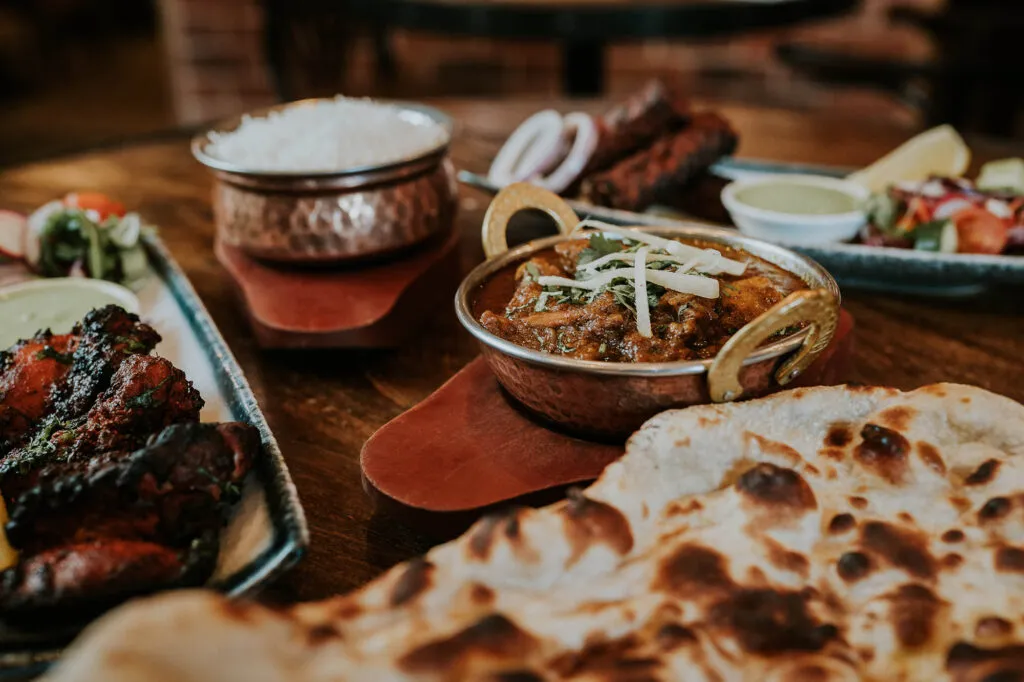
Freshness matters enormously. Spices that have sat in a cupboard for a year lose most of their punch. I have conducted side-by-side tests with cumin from a freshly opened packet versus cumin that has been sitting for eight months, and the difference is stark. The older cumin tastes flat and dusty. The fresh one is bright, warm, and almost citrusy. For anyone serious about making traditional Indian curries at home, the single best investment is a small spice grinder and a habit of buying whole seeds, toasting them lightly, and grinding only what you need for the week.
Regional Variations Worth Knowing
If you want to understand the breadth of traditional Indian curries, it helps to look at a few distinct styles. The Mughlai gravies of the north, like butter chicken and rogan josh, rely on dairy and nuts for richness. They are slow-cooked, often overnight, and finished with cream or yogurt. In contrast, the curries of Kerala and Tamil Nadu use coconut milk and tamarind to create a completely different mouthfeel. The heat there comes from black pepper rather than red chilli powder, and the sourness is sharp rather than rounded.
Then there are the dry curries, which many people in the West do not even recognise as curries. A dry dish like aloo gobi or bhindi masala has no gravy at all. The vegetables are cooked in a thick coating of spices and oil, often finished with a squeeze of lemon or a sprinkle of chaat masala. These dishes are just as complex as their saucy counterparts, and they pair beautifully with flatbreads like roti or naan.
Common Missteps and How to Avoid Them
One of the most frequent problems I encounter is a curry that tastes raw or harsh. That usually means the spices have not been cooked enough. Raw turmeric can be bitter. Raw cumin can taste like a mouthful of dirt. The solution is simple: cook your spice paste until it changes colour and smells fragrant. Another common issue is a curry that tastes thin or watery. This happens when the base is not reduced enough before adding the main ingredient. A good curry has body. That body comes from reducing the onion-tomato base until it is thick and jammy before adding water or stock.
Salt is another area where many people get it wrong. Indian cooking uses salt in stages, not all at once. A pinch in the base helps the onions break down. A little more when you add the main ingredient seasons it from the inside. A final adjustment at the end ties everything together. Undersalting at the start and oversalting at the end is a common pattern I see, and it is easy to fix once you know to add salt gradually.

Why Restaurant Curries Taste Different
There is a reason why the traditional Indian curries you get at a good restaurant taste noticeably richer than the ones you make at home. Restaurants often use a technique called "bhunao," which means to roast the masala in fat over low heat for a long time. This deepens the colour and concentrates the flavour. Home cooks tend to skip this step because it takes time and patience. But it is the single most impactful thing you can do to improve your curry. Next time you cook, try bhunaoing the onion-tomato base for an extra ten minutes, stirring constantly to prevent burning. The difference will surprise you.
Another factor is the use of whole spices that are later removed. Many restaurant curries start with a tempering of cinnamon sticks, cardamom pods, and cloves, which are left whole and taken out before serving. This infuses the dish with a gentle warmth without making it gritty. Home cooks often skip this step or use ground versions, which can make the texture sandy. It is a small detail, but it changes the eating experience significantly.
Balancing Heat and Flavour
Heat in Indian cooking is not just about chilli. It is a spectrum that includes the pungency of ginger, the warmth of black pepper, and the slight numbing quality of green cardamom. A skilled cook balances these so that no single heat dominates. If a curry is too hot, it is usually because the cook relied on chilli powder alone instead of building heat from multiple sources. Adding a spoonful of yogurt or coconut milk at the end can tame excessive heat without diluting the flavour.
On the other hand, a curry that is too mild often lacks depth because the spices were not bloomed properly. The solution is not to add more chilli, but to add a little more garam masala or a pinch of dried fenugreek leaves. These bring warmth without scorching the palate.
Practical Tips for Everyday Cooking
If you want to cook traditional Indian curries at home without spending all day in the kitchen, there are a few tricks that save time without sacrificing quality. One is to double your onion-tomato base on a weekend and freeze it in portions. That way, you can have a curry on the table in thirty minutes on a weeknight. Another is to use a pressure cooker for lentils or tough cuts of meat. The pressure cooker does not cheat the flavour. It just accelerates the breakdown of fibres and starches. I have used pressure cookers for decades, and I can tell you that a dal cooked in a pressure cooker tastes every bit as good as one simmered for hours on the stove.

Fresh herbs make a bigger difference than most people realise. A handful of chopped coriander stirred in just before serving adds a brightness that no dried spice can match. Similarly, a squeeze of lemon or a splash of vinegar at the end can lift a heavy curry and make it feel lighter on the palate. These finishing touches are the hallmark of a cook who understands balance.
For those who want to explore further, Smokey Barrels, located at 1741 Coventry Rd, Birmingham B26 1DS, UK, offers a menu that reflects this depth of tradition. The kitchen is built around the clay tandoor, serving mixed grills, chicken tikka, seekh kebabs, lamb chops and masala fish, alongside curries, vegetarian dishes, pub classics and a children's menu. The spice menu is halal, and the bar pours nine beers on tap, cocktails and pitchers, with Premier League football, boxing, F1, cricket and rugby shown live on big HD screens. There is free on-site parking, a beer garden, and private hire for 70 to 150 guests.
Connect with us on YouTube.